Taoist
Yin Yang
Balance of opposing forces
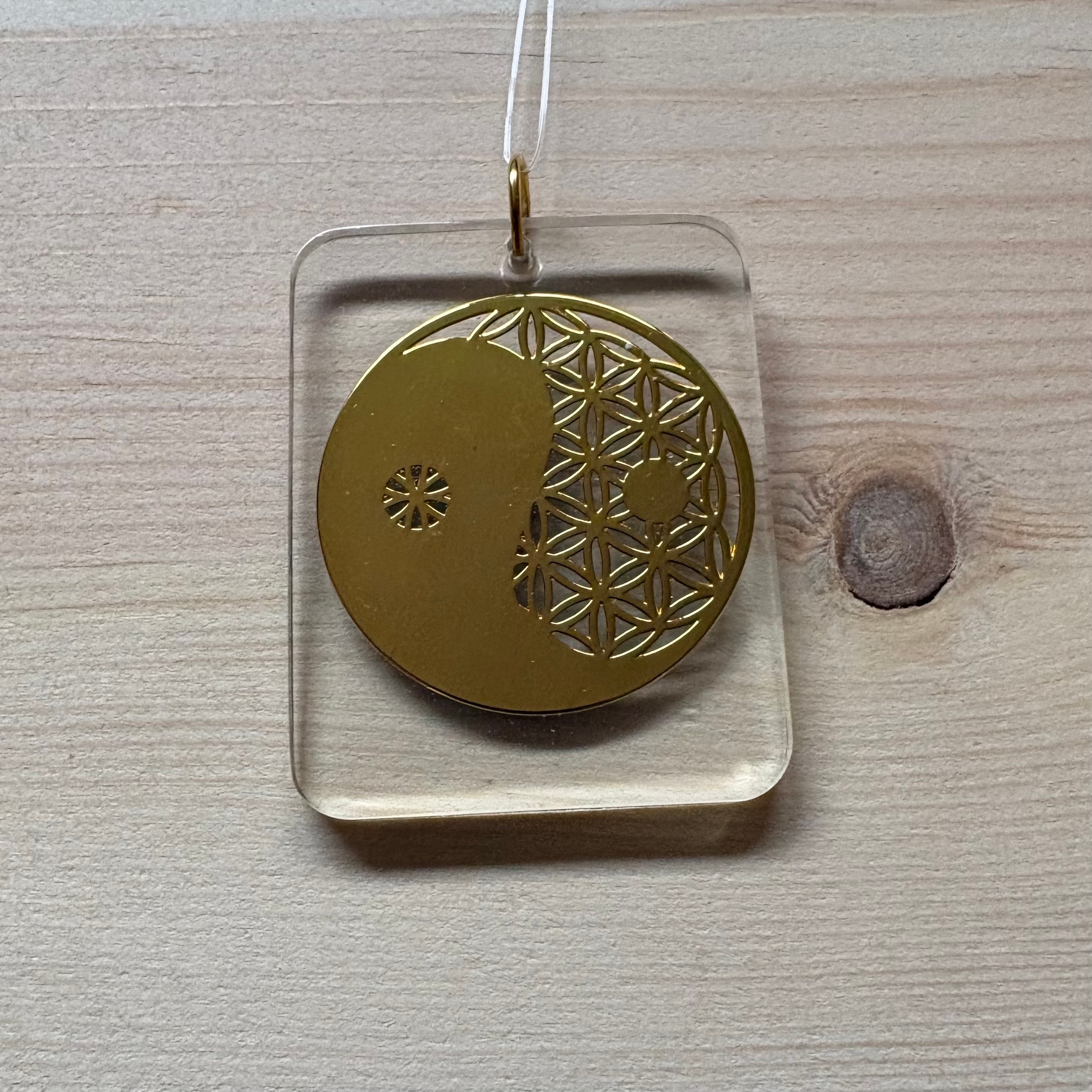
The Yin Yang symbol, the taijitu, is one of the most recognized symbols in the world. Its swirling black and white halves, each containing a dot of the opposite colour, express the Taoist understanding of reality as a dynamic interplay of complementary forces.
Shop Yin Yang PendantsWhat it Means
Yin represents the feminine, dark, receptive, cool, and passive. Yang represents the masculine, light, active, warm, and assertive. Neither is superior, both are necessary, and each contains the seed of the other. The symbol teaches that apparent opposites are in fact interdependent aspects of a single whole.
History & Origins
The taijitu as we know it today was formalised by the Neo-Confucian philosopher Zhou Dunyi in the 11th century CE, though the concepts of yin and yang appear in Chinese texts as far back as the 3rd century BCE. It remains central to Taoist philosophy, Traditional Chinese Medicine, and martial arts.
Wearing the Yin Yang
Wearing Yin Yang is an invitation to embrace paradox, to find peace in the understanding that light and dark, joy and sorrow, rest and action are all part of one harmonious whole.